Indoor Navigation Using 3D Scans with iPhone’s LiDAR

Category:
Client:
Duration:
Case Study: Indoor Navigation Using 3D Scans with iPhone’s LiDAR
1. Introduction
Title: Indoor Navigation Using 3D Scans with iPhone’s LiDAR
Role: Design and Development
Year: 2021
2. Project Overview
Objective:
To develop an innovative indoor navigation system that leverages 3D scans of the space using iPhone’s LiDAR. This approach aimed to provide a more anchored and accurate navigation experience, reducing the reliance on point cloud localization.
Technologies Used:
iPhone LiDAR, 3D scanning technology, AR frameworks
Collaborators:
The project was developed with a team of AR developers, designers, and researchers.
3. My Approach: Crafting Digital Excellence
Vision and Innovation:
My vision for this project was to set new standards in indoor navigation by utilizing the latest advancements in 3D scanning technology. By leveraging iPhone’s LiDAR capabilities, I aimed to create a more accurate and anchored navigation experience that surpasses traditional point cloud localization methods.
Identifying Unique Challenges:
Before starting the project, I conducted thorough research to identify the unique challenges associated with indoor navigation. These included accurately mapping indoor spaces, ensuring the stability of the navigation system, and integrating the 3D scans seamlessly with the AR navigation framework.
Resolving Complex Problems:
One of the primary challenges was the integration of 3D scans with the AR navigation system. To address this, I focused on developing algorithms that could effectively utilize the 3D scan data for precise localization and navigation. This involved ensuring that the 3D scans were accurate and that the navigation system could reliably use this data to guide users.
User-Centric Design:
The cornerstone of my approach was understanding the needs of the users who would be navigating indoor spaces. I prioritized user-centric design principles to ensure that the navigation system was intuitive and easy to use. This involved user testing and iterative design processes to refine the interactions and ensure a seamless user experience.
Meeting User Needs:
The design of the indoor navigation system aimed to meet the diverse needs of users by providing accurate and reliable navigation within indoor environments. By focusing on user needs, I created a system that was highly functional and enjoyable to interact with, making indoor navigation easier and more efficient.
Every aspect of this project is a testament to my systematic, innovative, and problem-solving approach. The indoor navigation system reflects my vision for digital excellence and my commitment to delivering results that surpass expectations. Explore this project in my portfolio to witness how I translated my approach into an impactful, user-centered navigation solution.
4. Project Details
3D Scanning with LiDAR:
Description:
The project leveraged iPhone’s LiDAR capabilities to create detailed 3D scans of indoor spaces. These scans provided a precise and anchored representation of the environment, improving the accuracy and reliability of the navigation system.
Visuals:
Include high-quality screenshots or images of the 3D scans and their integration into the navigation system.
Example:
AR Navigation Framework:
Description:
The navigation system utilized an AR framework to overlay directional cues and navigation paths onto the real-world environment. This allowed users to follow the directions seamlessly within the indoor space.
Visuals:
Show images or clips of the AR navigation in action, demonstrating how the 3D scans enhance the navigation experience.
Example:
User Interface Design:
Description:
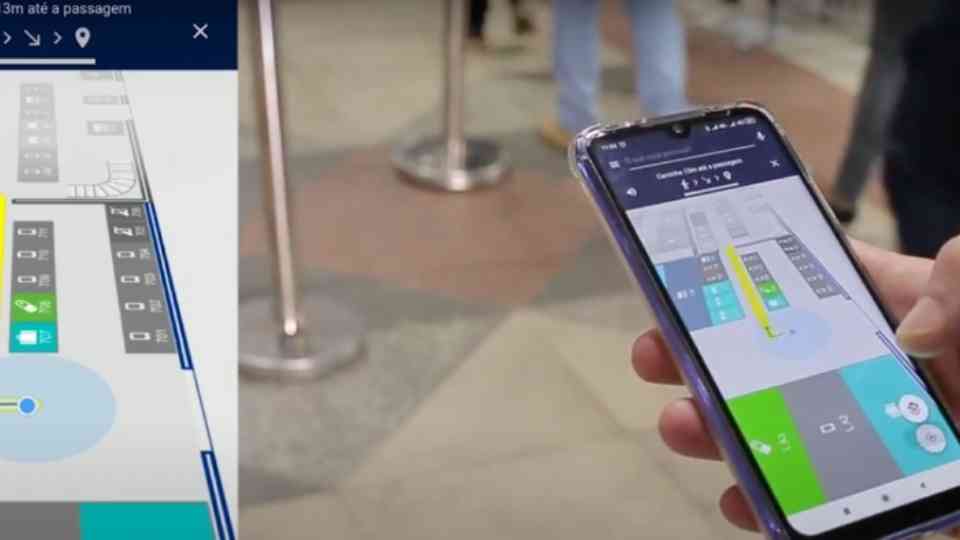
The user interface was designed to be intuitive and easy to use, providing clear navigation cues and real-time updates. This involved designing gesture-based controls and ensuring the interface was accessible to a wide range of users.
Visuals:
Provide examples of the user interface, showing how it integrates with the 3D scans and AR navigation.
Example:
5. Responsibilities
Design:
As the designer, I was responsible for creating the user interface and interaction designs. This involved ensuring that the navigation system was intuitive, easy to use, and provided a seamless user experience.
Development:
As the developer, I implemented the 3D scanning and AR navigation features. This involved developing algorithms to utilize the 3D scan data for accurate localization and ensuring the stability and reliability of the navigation system.
6. Project Highlights
3D Scanning with LiDAR:
The project successfully utilized iPhone’s LiDAR to create detailed 3D scans of indoor spaces, providing a more accurate and anchored navigation experience.
AR Navigation Framework:
The integration of the AR navigation framework with the 3D scans resulted in a seamless and intuitive navigation experience, allowing users to navigate indoor spaces with ease.
User-Centric Design:
The focus on user-centric design principles ensured that the navigation system was highly functional, intuitive, and enjoyable to use.
7. Conclusion
Results:
The indoor navigation system demonstrated the potential of using 3D scanning technology to enhance navigation accuracy and reliability. The project successfully created an innovative and user-friendly navigation solution.
Learnings:
Through this project, I gained valuable insights into integrating 3D scanning technology with AR frameworks and designing user-centric navigation systems.
Future Enhancements:
Potential future enhancements include expanding the system to support more complex indoor environments, improving the accuracy of the 3D scans, and integrating additional features such as voice guidance.


